
The Crystal ingredient library
Saponified coconut oil
Soap base
Discover how coconut oil becomes a cleansing soap base, and explore its role across our hand-poured silver, copper, gold and magnesium bars.

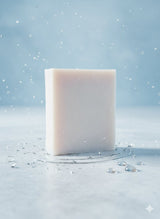
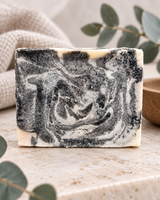
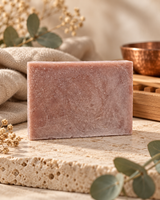
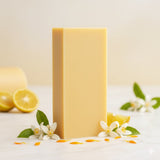
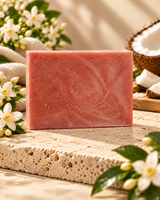
Saponified coconut oil at a glance
- Starting ingredientCoconut oil
- ProcessSaponification
- Role in the barCleansing, lather and structure
- In our rangeOur handmade soap varieties
What is saponified coconut oil?
Saponified coconut oil is coconut oil that has been transformed into soap. The name describes both its botanical starting point and the process that gives it a new purpose. It is the foundation of our handmade cleansing bars, from simple fragrance-free varieties to colourful, aromatic soaps.
When you see it in an ingredient list, think of the finished soap base. It contributes to the bar’s lather and cleansing action, while ingredients such as charcoal, fragrance and colloidal preparations give each variety its individual character.
From coconut oil to soap
Saponification is the reaction between fats or oils and an alkali. Traditional solid soaps commonly use sodium hydroxide. The reaction produces fatty-acid salts, which are soap, together with glycerol, also known as glycerine.
This is a transformation rather than simply hardening melted oil. The finished soap behaves differently when mixed with water: it can help lift oily residue so that it can be rinsed away.
Accurate formulation matters throughout soapmaking. The amount of alkali depends on the oils used and the recipe. This guide explains the ingredient; it is not a mixing recipe or a substitute for batch calculations.

Why coconut oil is used in soap
Coconut oil is valued in soapmaking for the firm bars and plentiful bubbles it can produce. Those qualities make it a useful starting oil for a straightforward cleansing bar.
The complete formulation still determines how a soap feels. A coconut-based bar should not be assumed to have the same effect as applying unchanged coconut oil to the skin. Washing time, water conditions and individual preference also shape the experience.
- Lather: coconut oil soap is associated with generous, bubbly foam.
- Structure: it contributes to the firmness of a solid bar.
- Cleansing: the saponified material helps oily residue mix with the wash water.
One base, different handmade bars
Our soaps are mixed and poured by hand in small batches. Colour, marbling and decoration vary with the recipe, so each bar has its own finish. The coconut oil base connects the range without making every variety identical.
For example, activated charcoal gives one soap its dark swirl. Other bars use colour or decorative additions, while scent may come from essential oils, fragrance oils or an absolute. The ingredient list for the selected bar is the best place to compare them.
Explore our coconut oil soaps
Fragrance-free choices
For a simpler scent profile, explore Fragrance-Free Silver Soap or Fragrance-Free Copper Soap. Choose by the complete formula as well as your preference for an unscented bar.
Silver soaps with scent and colour
Choose floral Lavender & Ylang Ylang, fresh Eucalyptus & Peppermint, or fragranced Forget-Me-Not.
The Activated Charcoal Soap combines marbling with lemongrass, grapefruit and black pepper. Our limited-edition Frosted Rhubarb & Rose brings a fruity floral scent and a decorative shimmer.
Copper, gold and magnesium varieties
Explore Neroli Copper Soap, Gold Soap with Jasmine, and the Magnesium Mineral Soap Bar. Each shares a coconut oil soap base while having its own additional ingredients.
The jasmine bar uses jasmine absolute. The magnesium bar combines bergamot, peppermint and black pepper essential oils for a fresh aromatic finish.
To build a set, browse the Pick Your Own Colloidal Soap Trio and select from the varieties offered there. Available choices may differ from the complete individual-bar range.
Getting the most from your bar
Wet the soap and work up a lather between your hands. Wash gently, rinse thoroughly and let the bar drain afterwards. Keep soap away from the eyes, and stop using it if irritation occurs.
A slatted or grooved soap dish makes daily care easier. Place it where water can run away and the soap has air around it. In the shower, keep the bar out of the direct spray when it is not being used.
Store spare bars somewhere dry, following their packaging guidance. For travel, allow the used bar to dry before closing its container. These small habits help preserve its texture and reduce the amount that softens into the dish.
Common questions about saponified coconut oil
What does saponified coconut oil mean?
It means coconut oil has reacted with an alkali to form soap. The process changes the oil into a cleansing material and also produces glycerol, commonly called glycerine.
Is saponified coconut oil the same as coconut oil?
No. Coconut oil is the starting oil; saponified coconut oil is its soap form. A rinse-off soap bar has a different purpose and feel from an oil applied to condition the skin.
Why is lye used to make soap?
An alkali such as sodium hydroxide is needed for traditional bar-soap saponification. It reacts with the oils. A correctly formulated and fully reacted soap is designed without excess unreacted lye; this depends on accurate formulation and production.
Does coconut oil soap smell of coconut?
The soap base does not guarantee a coconut fragrance. Our bars have different added scents, and we also offer fragrance-free varieties. Check the individual bar rather than choosing by the base oil alone.
Are all the soaps made with essential oils?
No. Scent ingredients vary: some bars contain essential oils, others use fragrance oils, and the gold soap contains jasmine absolute. Fragrance-free options have no added scent. Read the ingredients for the specific variety.
How can I help a handmade soap last longer?
Keep it on a draining dish, away from a constant shower stream, and allow it to dry between washes. Avoid leaving the bar in pooled water or sealing it in a travel container while still wet.
Keep exploring
Read about the starting ingredient in our coconut oil guide, then explore silver, copper, gold and activated charcoal. Return to the ingredient library to browse the full collection.
Background reading: saponification and soap properties in the Journal of Chemical Education, and Bramble Berry’s coconut oil soapmaking profile. These explain general ingredient behaviour.
For complete ingredients, allergens, suitability and directions, read the current product label. A guide to one ingredient does not describe every possible effect of the finished preparation.
