By Crystal Health & Beauty · Updated 13 October 2026 · 6 minute read
What is coconut oil?
Coconut oil is obtained from the white flesh of the coconut, the fruit of Cocos nucifera. It is familiar in kitchens and botanical skincare, but its role changes with the form of the oil and the recipe around it.
In a jar of culinary oil it provides flavour and fat for cooking. In a cream or balm it contributes richness and a smoother skin feel. In soap-making it becomes part of the cleansing base through saponification. Understanding those differences is more useful than treating every coconut-based product as the same ingredient.
Botanical nameCocos nucifera
SourceCoconut flesh
Cosmetic label nameCocos Nucifera Oil
Formats in our rangeFood oil, skincare and soap
Virgin, refined and fractionated oil
Virgin coconut oil typically retains a recognisable coconut aroma. Our Extra Virgin Coconut Oil 1kg is listed as cold-pressed, unrefined and sourced from Sri Lanka. These details describe that product; they should not be assumed for every coconut-derived ingredient in the range.
Refined coconut oil undergoes further processing and is generally more neutral in scent and flavour. Refining and fractionation describe different processes, so the words do not mean the same thing.
Fractionated coconut oil has selected fractions separated from the original oil. Liquid cosmetic forms are commonly chosen for their fluid texture and easy spread. They are not simply virgin coconut oil that has been warmed. The processing changes the composition, so cooling does not necessarily produce the same firm texture.
Read the individual ingredient declaration when comparing products. A liquid oil, a solid oil and a coconut-derived cosmetic ingredient may have different specifications even when their names sound similar.
AI-created ingredient illustration showing coconut flesh and contrasting oil textures; not a photograph of a specific Crystal product.
Coconut oil in creams, balms and scrubs
In skincare, coconut oil works as an emollient: it helps soften the feel of the skin and gives a formula slip and richness. Its texture is shaped by the other oils, butters and ingredients beside it. A whipped cream and a rinse-off sugar scrub can therefore feel very different while both containing coconut oil.
Across the scrubs, Mineral Detox lists coconut oil, while Magnesium Body Scrub and Glow Body Scrub list fractionated coconut oil. The grains provide the physical exfoliation; the oils contribute to the conditioning feel of the blend.
Skin preferences vary. Try a small area first when introducing a new cosmetic, particularly if your skin is reactive, and stop if irritation develops. Choose according to the complete formula, including its fragrance and essential oils.
What changes when coconut oil becomes soap?
Soap-making transforms oils through a reaction with an alkali. This process, called saponification, produces soap and glycerine. Coconut oil contributes to the character of the finished cleansing bar, but washing with that bar is different from applying the original oil.
Our handmade soaps use a coconut oil base with different additions and scents. A fragrance-free bar and a scented bar share that base, yet their full ingredient lists differ. Choose the version that suits your preferences rather than assuming every bar has the same fragrance or botanical ingredients.
For a closer look at the process and ingredient names, visit our saponified coconut oil guide. Allow a soap bar to drain and dry between uses, following any care instructions supplied with it.
Choosing and storing the right format
Start with the intended use. For cooking or baking, choose the culinary product. For a body-care routine, follow the finished cosmetic’s directions. The name of an ingredient alone does not make a product suitable for eating, facial use or every skin type.
Ordinary coconut oil can be firm in a cool room and liquid in warmer surroundings. That physical change is normal for the oil; it does not prove freshness or spoilage. Keep the container closed, avoid introducing water or debris, and follow the label’s storage guidance and best-before date.
Coconut oil is also distinct from coconut sugar, which is made from the palm’s flower sap. Seeing “coconut” in a scrub’s sugar ingredients does not establish which oil it contains. Check both parts of the ingredient list.
Where to find it in our range
Explore the relevant formats below. Soap links refer to a coconut oil base transformed during soap-making; fractionated oil products are identified separately.
No. Coconut oil is the fat extracted from the flesh. Culinary coconut butter generally contains ground coconut flesh as well as its oil. They behave differently in recipes and are not automatically interchangeable.
Why has my coconut oil turned liquid?
Ordinary coconut oil softens and melts as its surroundings warm, then becomes firmer when cooled. A change between solid and liquid is not, by itself, evidence of spoilage. Follow the storage instructions and best-before date.
What is fractionated coconut oil?
It is a processed form in which selected fractions of the oil are separated. The liquid types commonly used in cosmetics stay fluid at normal room temperatures and feel lighter than ordinary solid coconut oil. Check the actual product specification.
Is coconut oil in soap still an oil?
During saponification, oil reacts with an alkali to form soap and glycerine. A finished soap bar therefore behaves differently from coconut oil applied directly to the skin.
Does every coconut ingredient contain coconut oil?
No. Coconut sugar comes from the palm’s flower sap and is a different ingredient. Coconut water, coconut milk, coconut butter and coconut oil also have different compositions and uses.
Can I use every coconut oil product for cooking?
No. Use a product specifically sold for food use. A cream, scrub, soap or cosmetic carrier oil should only be used for the purpose stated on its label, even when coconut oil is one of its ingredients.
Botanical background: Royal Botanic Gardens, Kew: coconut palm. Product examples above follow the current Crystal ingredient descriptions; always refer to the label on your own product.
For complete ingredients, allergens, suitability and directions, read the current product label. A guide to one ingredient does not describe every possible effect of the finished preparation.
UK Royal Mail Tracked 24 is £5 under 2kg and £9 up to 15kg. Orders over £200 ship free.
Royal Mail Tracked 24: Our tracked postage service, with a next-working-day delivery aim after Royal Mail receives your parcel (not guaranteed). This is not a promise of same-day dispatch or delivery within 24 hours of ordering. Please allow for our order-processing and preparation time first.
Taxes included. Shipping is calculated at checkout.


 Organic Extra Virgin Coconut Oil 1kg – Raw & Cold Pressed
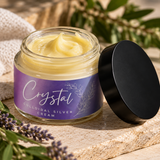 Colloidal Silver Cream
 Oil Pulling
 Lavender & Ylang Ylang Colloidal Silver Soap
 Eucalyptus & Peppermint Colloidal Silver Soap
 Fragrance-Free Colloidal Silver Soap
 Forget-Me-Not Colloidal Silver Soap
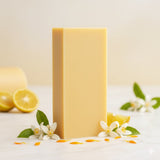 Neroli Colloidal Copper Soap
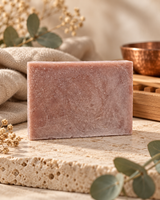 Fragrance-Free Colloidal Copper Soap
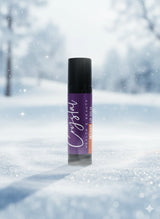 Natural Mango Butter Lip Balm
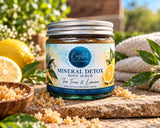 Mineral Detox Body Scrub
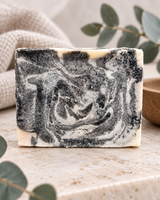 Colloidal Silver & Activated Charcoal Soap
 Frosted Rhubarb & Rose Colloidal Silver Soap
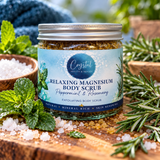 Relaxing Magnesium Body Scrub – Peppermint & Rosemary
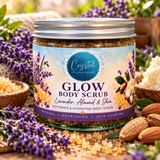 Glow Body Scrub – Lavender & Shea
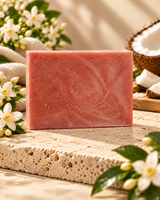 Colloidal Gold Soap with Jasmine — 100g


