By Crystal Health & Beauty · Updated 13 October 2026 · 6 minute read
What alcohol does in a tincture
A herbal tincture brings selected constituents from a plant into a liquid extract. Alcohol, also called ethanol, is one of the traditional solvents used for this purpose. Here, “solvent” simply means the liquid that dissolves and carries those constituents.
Alcohol and water are often used together. Their proportions influence what is extracted from leaves, roots, berries or other plant material. A single solvent blend is not right for every botanical, which is why two tinctures can have different alcohol percentages without one being better than the other.
Ingredient nameAlcohol or ethanol
Main roleExtraction solvent
Common partnerWater
Choosing a formulaRead the individual label
From botanical to liquid extract
In a typical tincture-making process, prepared plant material is brought into contact with an alcohol-and-water mixture. After extraction, the liquid is separated from the solid material. The finished tincture contains both the extracted constituents and its liquid medium; the solvent is part of the formula.
Alcohol can also contribute to preservation, although shelf life depends on the whole formulation, packaging and storage. It does not make a tincture indefinitely stable. Follow the best-before date and storage instructions on the bottle.
Some preparations use more than one extraction stage. Our Five Mushroom Dual Extract Tincture, for example, is described as using water and alcohol extraction. “Dual extract” describes the process; it is not a universal measure of potency.
AI-created editorial illustration of tincture ingredients; not a photograph of a specific Crystal formula or its manufacturing process.
How to read alcohol percentages
When a finished product states alcohol by volume, the percentage describes the proportion of alcohol in that liquid. It does not tell you how much herb was used, how much of a particular constituent is present, or whether the formula suits you.
An extraction-solvent percentage can describe the mixture used during manufacture. Read the wording carefully rather than assuming every percentage is a measurement of the finished bottle. If a product page does not specify the information you need, ask us about the label.
Botanical identity: check the plant name and the part used.
Liquid ingredients: look for alcohol, water or glycerine in the declaration.
Directions: use the serving for that formula, rather than another tincture’s instructions.
Suitability: consider every herb in a blend as well as its alcohol content.
Colour, bitterness and a warming taste are not reliable measures of strength. Likewise, an organic ingredient description does not mean alcohol-free.
Dilution, hot drinks and everyday use
If the label allows dilution, adding the measured serving to water can make its flavour easier to manage. The extra water changes the concentration in your glass; it does not remove the alcohol you added. A larger glass is therefore not an alcohol-free alternative.
Do not rely on a hot drink to remove all the alcohol. Heat, time and preparation conditions affect evaporation, and briefly adding drops to hot water is not a dependable alcohol-removal method.
Keep the bottle tightly closed and follow its storage directions. Use the supplied measuring method and avoid assuming that every dropper delivers the same volume. There is no single serving size appropriate for every tincture in the range.
When an alcohol-free extract is a better fit
If you avoid alcohol for personal, religious or health reasons, choose a clearly labelled alcohol-free preparation. Vegetable glycerine is used in some liquid herbal extracts, but its presence alone does not prove that a formula contains no alcohol: check the complete label.
A glycerine extract and an alcohol tincture can differ in their herbs, extracted constituents and concentration. They are not automatically interchangeable. An adult blend is also not made suitable for children simply by diluting it.
If you are pregnant or breastfeeding, take medicines, or have a health condition, check the suitability of the whole formula with a qualified healthcare professional before use. Alcohol-free does not automatically mean suitable for everyone.
Explore tinctures in our range
The following products list alcohol in their ingredient information. Open the individual page for its botanical blend and directions; percentages and serving sizes should not be assumed to match across the range.
Alcohol acts as an extraction solvent and can help preserve a finished tincture. It is often combined with water because different plant constituents dissolve differently. The appropriate mixture depends on the botanical and the formulation.
Does a higher alcohol percentage mean a stronger tincture?
No. Alcohol percentage describes the solvent, not the amount of every plant constituent or the benefits of the product. The plant, plant part, extraction process and herb-to-extract ratio also matter.
Does putting a tincture in hot water remove the alcohol?
Do not assume so. Adding drops to a hot drink is not a reliable way to make a tincture alcohol-free. If you need to avoid alcohol, choose a product explicitly labelled alcohol-free.
Does dilution reduce the amount of alcohol in a serving?
Adding water lowers the concentration in the drink, but does not remove the alcohol in the measured tincture serving. Follow the directions for the particular product.
Are all liquid herbal extracts made with alcohol?
No. Some use vegetable glycerine or other extraction methods. An alcohol-free extract may have a different formula, concentration and serving size, so it should not be substituted drop for drop.
Where can I find the alcohol content of my tincture?
Check the bottle and the current product information. Look for a clearly stated finished-product alcohol percentage, and ask us if the wording is unclear. Do not infer a percentage from the product name, taste or colour.
For complete ingredients, allergens, suitability and directions, read the current product label. A guide to one ingredient does not describe every possible effect of the finished preparation.
UK Royal Mail Tracked 24 is £5 under 2kg and £9 up to 15kg. Orders over £200 ship free.
Royal Mail Tracked 24: Our tracked postage service, with a next-working-day delivery aim after Royal Mail receives your parcel (not guaranteed). This is not a promise of same-day dispatch or delivery within 24 hours of ordering. Please allow for our order-processing and preparation time first.
Taxes included. Shipping is calculated at checkout.

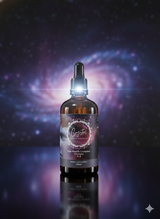 Natural Eye Health Tincture
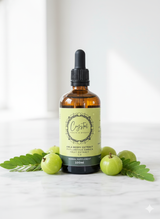 Amla Berry Tincture
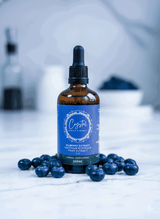 Bilberry Tincture
 Blood & Lymph Tincture
 Sleep Remedy Tincture
 Hay Fever Support Tincture
 Women's Herbal Tincture
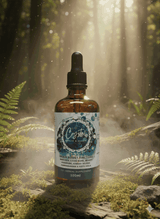 Brain Boost Tincture
 Echinacea, Ginseng, Ginger & Hawthorn Tincture
 Calming Herbal Tincture
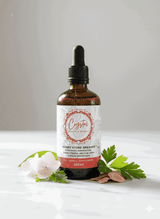 Chanca Piedra / Stone Breaker Tincture
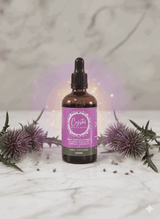 Milk Thistle Tincture
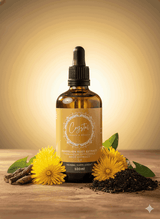 Dandelion Root Tincture
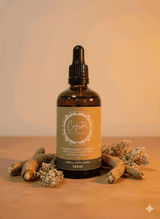 Ashwagandha Tincture
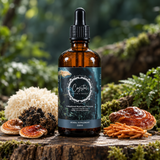 Five Mushroom Dual Extract Tincture
 Adrenal Complex Tincture


