
The Crystal ingredient library
Live cultures
Microorganisms in fermented products
Discover the live cultures in our fermented formulas. Compare Revive, Kids and Sustain, understand culture names and CFU, and read the full ingredient, allergen and storage information.

What are live cultures?
Live cultures are living microorganisms, including bacteria and yeasts. They are used in fermented foods and liquid preparations. Our three fermented formulas bring named cultures together with herbs, minerals and other ingredients.
Fermentation describes a process; the full ingredient panel describes the finished product. This guide helps you compare both, understand the names on the label and find the right formula information.
- Range formatsFermented liquids
- ProductsRevive, Kids and Sustain
- Culture types listedBacteria and yeasts
- Also checkOther ingredients, allergens and storage
Reading culture names and strain identifiers
Culture names have levels of detail: genus, species and, where supplied, a strain identifier. A species name alone does not identify a particular strain. Research on one strain cannot automatically establish the effects of another.
Our current listings each give 15 microorganism names. Examples include Bifidobacterium bifidum, Lactobacillus acidophilus, Lactococcus lactis and the yeast Saccharomyces cerevisiae. The pages use the word strains, but do not provide separate strain codes.
When you need a specific culture identity, ask for the current manufacturer’s panel. Matching a familiar name is a starting point for comparison, not a complete description of the formula.

CFU, serving size and the finished formula
CFU means colony-forming units, a measure of viable microorganisms. A number should be read with its serving size and the point in shelf life it refers to. A higher count alone does not establish greater benefit.
The current product descriptions do not give a precise CFU count per measured serving or a guaranteed count through the use-by date. We do not estimate those figures from the bottle volume or the number of names in the culture list.
Keep three questions separate: which cultures are named, how much liquid is a serving, and what other ingredients are included. Two products can list the same cultures while differing substantially in their botanical and mineral blends.
Explore our fermented formulas
Herbs and L-glutamine
Revive probiotic
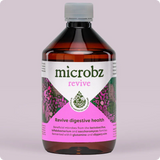
Revive lists live cultures alongside L-glutamine, slippery elm, turmeric, aloe vera and other ingredients. Its base includes purified water and organic barley malt. The listing explicitly identifies crustacean allergens associated with glucosamine and chondroitin ingredients; check the current label carefully.
View the complete formula →
Children’s formula
Kids probiotic
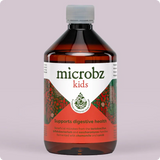
Kids lists the same named culture selection alongside carob, chamomile, herbs and minerals. It is fermented with organic barley malt. The full formula and age-specific directions matter: check the current label and seek individual guidance before giving a live-culture supplement to an infant.
View the complete formula →
Herbs, juices and minerals
Sustain probiotic
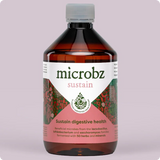
Sustain combines the named cultures with a wider blend including apple cider vinegar, bilberry, chaga, ginger, rosehip and minerals. Organic barley malt is named in the fermentation information. Read the complete ingredient and allergen panel rather than choosing solely by the culture count.
View the complete formula →The ingredients around the cultures
The botanical ingredients give each formula its own composition. Revive names L-glutamine and slippery elm; Kids includes carob and chamomile; Sustain includes a broad selection of herbs, juices and mushrooms. These differences remain important even where the culture lists match.
Kids and Sustain also list minerals including magnesium, zinc and selenium. An ingredient mention does not quantify the amount supplied in a serving. Use a declared nutrient panel if you are comparing nutritional quantities.
Read fermentation ingredients as part of the full formula too. All three current listings mention organic malt from barley. A wheat-free description does not establish gluten-free suitability, and fermentation should not be assumed to remove allergens.
Revive’s listing specifically flags crustaceans. If you have an allergy or dietary restriction, check the current packaging before use and contact us if any ingredient needs clarifying.
Making the label useful in everyday use
Use the serving and age guidance for the exact bottle, with a clean measuring spoon or cup. Do not assume a formula called Kids is suitable for every age or that an adult serving can simply be scaled down.
Follow the storage temperature and use-after-opening instructions. Some live-culture products require refrigeration and others do not. Keep the cap secure, retain the batch details and note the opening date if the label specifies a limited period after opening.
The listings mention natural flakes and sediment. Appearance alone does not confirm a culture count or product quality. If a bottle is damaged, its seal is compromised or its appearance differs from the manufacturer’s description, ask us before using it.
For infants, people who are seriously ill or those with weakened immune systems, obtain appropriate clinical advice before using live-culture supplements. For other suitability questions, consider the herbs and minerals as well as the cultures.
Live culture questions answered
What are live cultures?
Live cultures are living microorganisms, including bacteria and yeasts, used in foods and fermented preparations.
Which fermented formulas are in the CHB range?
The current range includes Revive Probiotic, Kids Probiotic and Sustain Probiotic. Their other ingredients and suitability information differ.
Is a species name the same as a strain identifier?
No. A strain identifier is more specific than a genus and species name. The current listings give microorganism names without separate strain codes.
What does CFU mean?
CFU stands for colony-forming units, a measure of viable microorganisms. Check the stated serving and whether the count applies at manufacture or through the use-by date.
Does wheat-free mean gluten-free?
No. All three listings name organic malt from barley. Do not assume suitability for a gluten-free diet; check the current allergen declaration and ask if you need clarification.
How should I store a live-culture liquid?
Follow the exact bottle’s storage and use-after-opening instructions. Refrigeration requirements vary between products, so do not transfer directions from another formula.
Continue exploring the ingredient library
Explore ingredients named in the wider blends, including magnesium, zinc and selenium, or return to the Learn ingredient library.
For complete ingredients, allergens, suitability and directions, read the current product label. A guide to one ingredient does not describe every possible effect of the finished preparation.
