The Crystal ingredient library
Castor oil
Ricinus communis oil
Explore our hexane-free, cold-pressed castor oil, its distinctive rich texture and the supplier quality checks behind the ingredient.

What is castor oil?
Castor oil is obtained from the seeds of Ricinus communis. On a cosmetic label, you may see Ricinus Communis Seed Oil or the common name in brackets. It is a botanical oil with a noticeably thick texture, used in skincare, haircare and lip-care formulations.
Its character is quite different from a light, freely flowing oil. The rich feel is part of its appeal, particularly when you want to understand how different botanical oils behave within a finished product.
- Botanical nameRicinus communis
- Plant partSeeds
- TextureThick and rich
- In our rangeCastor Oil and Mango Lip Balm
Hexane-free, cold-pressed castor oil
Our standalone Castor Oil is hexane-free and cold-pressed from Ricinus communis seeds. Hexane is not used to extract this oil. Cold pressing describes the mechanical extraction method; hexane-free identifies the absence of that extraction solvent.
The supplier documents identify the raw material as Castor Oil – Organic. Its rich, substantial texture makes it a useful conditioning oil for skin, hair and cosmetic blends.
What the supplier certificates show
We hold supplier certificates of analysis for several batches. For example, batch LOT0023248 records 88.29% ricinoleic acid within its fatty-acid profile, against the certificate’s 85–95% range. This is a result for that named batch, not a guaranteed percentage for every bottle.
The certificates also record checks such as acid value, peroxide value, saponification value and refractive index. These help describe the oil’s composition and quality at testing. They are not proof of a particular skin or hair result.
For information about a particular bottle, contact us with its batch details. The certificates supplied do not report a hexane residue assay; our hexane-free statement describes the confirmed extraction process.
Getting to know the texture
A small amount of castor oil has a substantial feel between the fingertips. Rather than judging it by how quickly a lighter oil disappears, notice how it spreads and the finish it leaves. The amount applied makes a real difference to that experience.
In cosmetic formulations, castor oil can contribute conditioning and gloss. That helps explain why it appears in lip products as well as skin and hair preparations. The finished result still depends on the complete blend, not just the presence of this one ingredient.
If you prefer a lighter oil texture, compare the descriptions in our apricot kernel oil and jojoba oil guides. They offer a useful way to explore different finishes without assuming all botanical oils feel alike.

Castor oil in our range
Standalone botanical oil
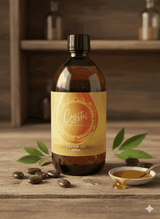
Castor Oil
Our product listing describes a 500ml bottle of pure, cold-pressed, hexane-free castor oil. Explore the bottle’s full information and follow its directions for the use you have in mind.
Explore Castor Oil →
Everyday lip care
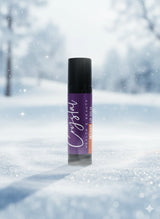
All Natural Mango Lip Balm
Castor oil appears alongside sunflower seed oil, mango seed butter, coconut oil, cocoa seed butter, apple fruit extract and hemp seed oil. This is a prepared lip-care blend with its own texture and purpose.
Explore Mango Lip Balm →Check the label on your own product for its complete ingredients and directions.
Why the whole formula matters
A bottle of castor oil and a lip balm containing castor oil are different products. In a balm, oils and butters combine to create the final consistency. Our Mango Lip Balm includes both mango seed butter and cacao butter, alongside its liquid oils.
The name “Mango” highlights one part of that blend, while the ingredient list reveals the others. Recognising castor oil’s botanical name lets you spot it even when it is not the ingredient featured in the product title.
This is also why it helps to choose by intended use. If you want a prepared product for the lips, explore the lip balm. If you want to learn about the standalone oil, use the Castor Oil product information. Do not assume the application instructions for one transfer directly to the other.
A measured approach to skin and hair care
For topical use, follow the directions on your bottle and begin with a small amount. Spread it gently rather than applying a large quantity at once. Its thick consistency can make a little feel substantial, and adding more is easier than removing an excess.
If you use it within a hair-care routine, think about the cosmetic result you want: how the hair feels, how much oil is comfortable and how easily it washes out. Avoid treating a richer or glossier appearance as a promise of new hair growth.
Keep oil away from the eyes and do not treat a general-purpose bottle as an eye product. Introduce a new product gradually, check for ingredients you already know you do not tolerate, and stop using it if irritation occurs.
This guide focuses on cosmetic use. It does not provide instructions for swallowing castor oil or using it as a home remedy. Choose products and directions appropriate to their intended purpose.
Storage and everyday care
Store the oil in a cool, dark place away from heat and direct sunlight, with the cap securely closed. Keep it out of reach of children and avoid transferring it into an unlabelled container.
Clean, dry hands and applicators help keep a skincare routine tidy. Take out only what you need, and avoid returning unused oil to the bottle. Follow the storage guidance on the lip balm separately, because a finished balm is its own formulation.
Before trying a different product, read the full ingredients again rather than relying on a familiar name. Botanical oils can appear in both simple products and more complex scented blends, and those differences matter when choosing something that suits you.
Castor oil: your questions answered
Is Crystal Castor Oil hexane-free?
Yes. Our standalone Castor Oil is cold-pressed and hexane-free: hexane is not used in its extraction. This statement concerns our supplied oil’s production process; the supplier certificates provided do not include a hexane residue assay.
What is castor oil?
Castor oil is a botanical oil obtained from the seeds of Ricinus communis. It has a thick texture and is used in cosmetic products for a rich, conditioning feel.
What name should I look for on an ingredient list?
Look for Ricinus Communis Seed Oil or Ricinus Communis (Castor) Oil. Our Mango Lip Balm lists castor oil alongside other botanical oils and butters.
Which Crystal products contain castor oil?
Our Castor Oil is the standalone product. Castor oil is also listed in our All Natural Mango Lip Balm.
Is castor oil an essential oil?
No. Castor oil is a fixed botanical oil, with a different role from concentrated aromatic essential oils. Its main focus in this guide is texture and cosmetic conditioning.
Will a castor-oil lip balm feel like the pure oil?
Not necessarily. A finished balm combines several ingredients, so its consistency and finish depend on the entire formula, including its other oils and butters.
How should I store castor oil?
Follow the bottle’s directions. Keep it tightly closed in a cool, dark place, away from heat and direct sunlight, and out of reach of children.
Explore the ingredient
See COSMILE Europe’s castor seed oil entry for its cosmetic identity. Continue through our oils and botanical butters guides to compare related ingredients.
For complete ingredients, allergens, suitability and directions, read the current product label. A guide to one ingredient does not describe every possible effect of the finished preparation.
