
The Crystal ingredient library
Chanca piedra
Phyllanthus niruri
Discover chanca piedra, the Phyllanthus niruri herb traditionally known as stone breaker. Explore its botanical identity, compare preparation formats and learn what is in our liquid tincture.

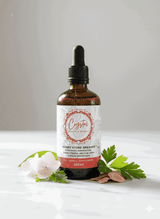
What is chanca piedra?
Chanca piedra is a common name associated with Phyllanthus niruri, the botanical named in our Chanca Piedra Herbal Tincture. It is also widely known as “stone breaker”, a name connected with its traditional herbal background.
A common name is a starting point for learning about an ingredient. The scientific name and finished formula provide a clearer way to identify what a product contains.
- Botanical namePhyllanthus niruri
- Common nameChanca piedra
- Also known asStone breaker
- Our formatLiquid herbal tincture
Getting to know the herb
Chanca piedra has a delicate appearance, with small leaves along slender branchlets and tiny fruits beneath them. The fresh plant looks quite different from the prepared liquid extract supplied in a bottle.
The illustration below introduces that botanical appearance. It is not a photograph of our source material or a particular production batch, and it should not be used to identify plants for gathering.
When comparing products, keep the species name in view. Names used in herbal traditions can overlap, while a specification naming Phyllanthus niruri is more precise.

Understanding the name “stone breaker”
Many herbs carry memorable names drawn from their history of use. Chanca piedra is one example: “stone breaker” reflects its traditional association with urinary wellbeing.
The name does not guarantee that a particular preparation dissolves or removes stones. For this guide, the useful distinction is between the herb’s traditional identity and the information supplied for the finished tincture.
Our product is listed as a liquid extract of Phyllanthus niruri. Read its formula, serving instructions and suitability information together when deciding whether it fits your circumstances.
What is in our tincture?
The current ingredient list names chanca piedra extract (Phyllanthus niruri), ethanol and purified water. Ethanol is alcohol: the two terms refer to the same listed liquid ingredient here.
This is a single-herb tincture, rather than a multi-herb capsule blend. That makes the ingredient list straightforward, but the labelled directions still matter.
The listing does not declare a plant-part specification, extraction ratio, alcohol percentage or measured constituent level. We do not infer those details from the plant name or the colour of the liquid.
For background on the liquid medium, read our guide to alcohol in tinctures. Adding a serving to water or juice does not remove its alcohol.
Tincture, tea and powder: why format matters
You may encounter chanca piedra in different preparations when exploring herbal products.
- Herbal tea: plant material prepared with water, following the directions supplied for that material.
- Powder or capsules: check whether the contents are milled herb or an extract, and read the amount per serving.
- Liquid tincture: an extract in a liquid medium with its own measuring instructions.
- Blended product: chanca piedra appears with other herbs, so the full ingredient list needs attention.
These are different formats, not interchangeable servings. A cup of tea or a capsule amount cannot be converted into millilitres of tincture without product-specific information.
Chanca piedra in our range
Single-herb liquid extract
Chanca Piedra Herbal Tincture
A liquid preparation listing Phyllanthus niruri extract, ethanol and purified water. This is the product currently containing chanca piedra in our range.
Visit the product page for the current directions and read the label on the bottle you receive. Its traditional “stone breaker” name also appears in the product’s web address.
Explore Chanca Piedra Tincture →Choosing, using and storing the tincture
Check the full label before use. Shake as directed and measure the serving using an appropriate graduated measure; do not assume that a dropperful or a number of drops equals a particular millilitre amount.
The product listing advises seeking professional advice before use, particularly during pregnancy or breastfeeding, when taking medication, or when managing kidney, gallbladder or urinary symptoms. It is not a substitute for medical assessment.
Keep the bottle tightly closed in a cool, dark place away from direct sunlight and heat, and out of reach of children. Keep the dropper clean and retain the label and batch details.
If you need a specification that is not shown, contact us before ordering. We can help you check the available information for the current product.
Chanca piedra questions answered
What is chanca piedra?
Chanca piedra is a common name associated with Phyllanthus niruri, the herb named in our tincture.
Is chanca piedra also called stone breaker?
Yes. Stone breaker is a traditional common name. It is not a guarantee that a preparation dissolves or removes stones.
What ingredients are in your tincture?
The current listing names chanca piedra extract (Phyllanthus niruri), ethanol and purified water.
Is ethanol the same as alcohol?
Yes. Ethanol is the alcohol listed in this tincture. Diluting a serving in water or juice does not remove it.
Is this a multi-herb capsule blend?
No. Our Chanca Piedra Herbal Tincture is a single-herb liquid extract.
Can I use tea or capsule directions for the tincture?
No. Follow the directions for the particular product. Tea, powder, capsules and liquid extracts are different preparations.
Continue exploring herbal ingredients
Visit our dandelion root, milk thistle and ashwagandha guides to compare other botanical preparations, or browse the full Learn ingredient library.
Botanical reference: Kew’s Phyllanthus niruri record.
For complete ingredients, allergens, suitability and directions, read the current product label. A guide to one ingredient does not describe every possible effect of the finished preparation.
