No products in the cart.
 The cup
Persia · Babylon · Greecec. 4000 BCE
Silver in the water, silver on the table
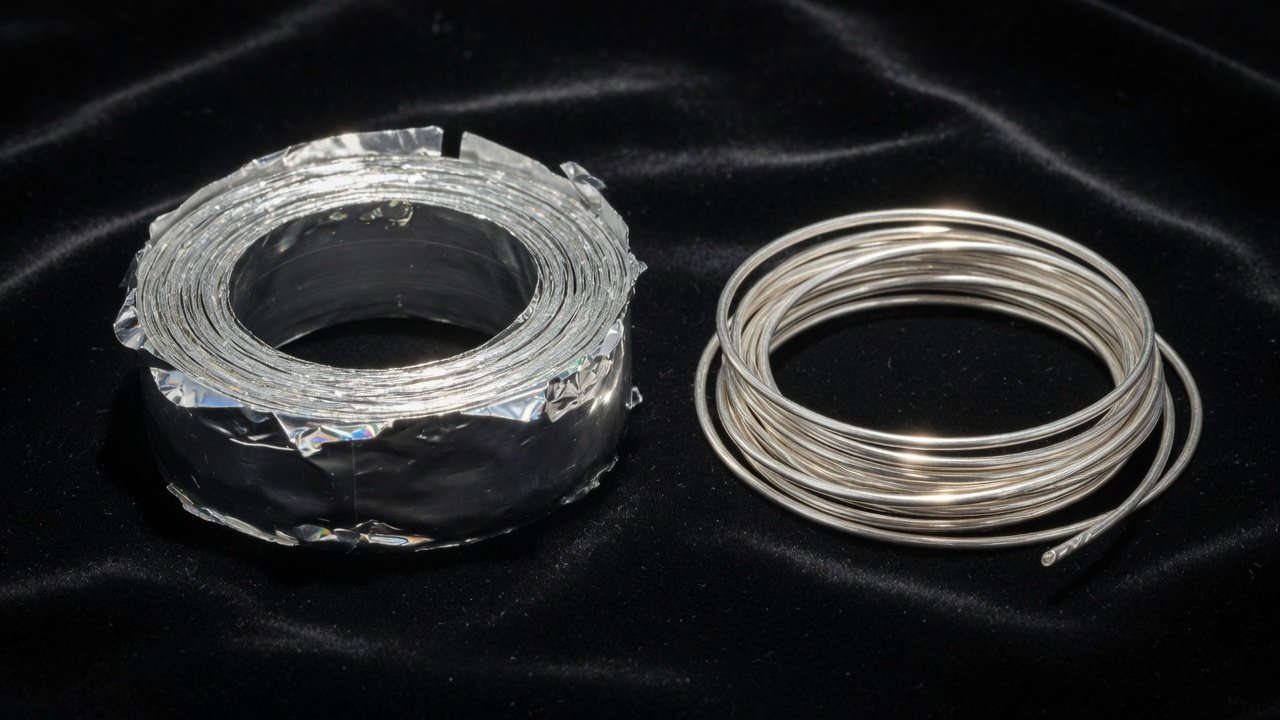
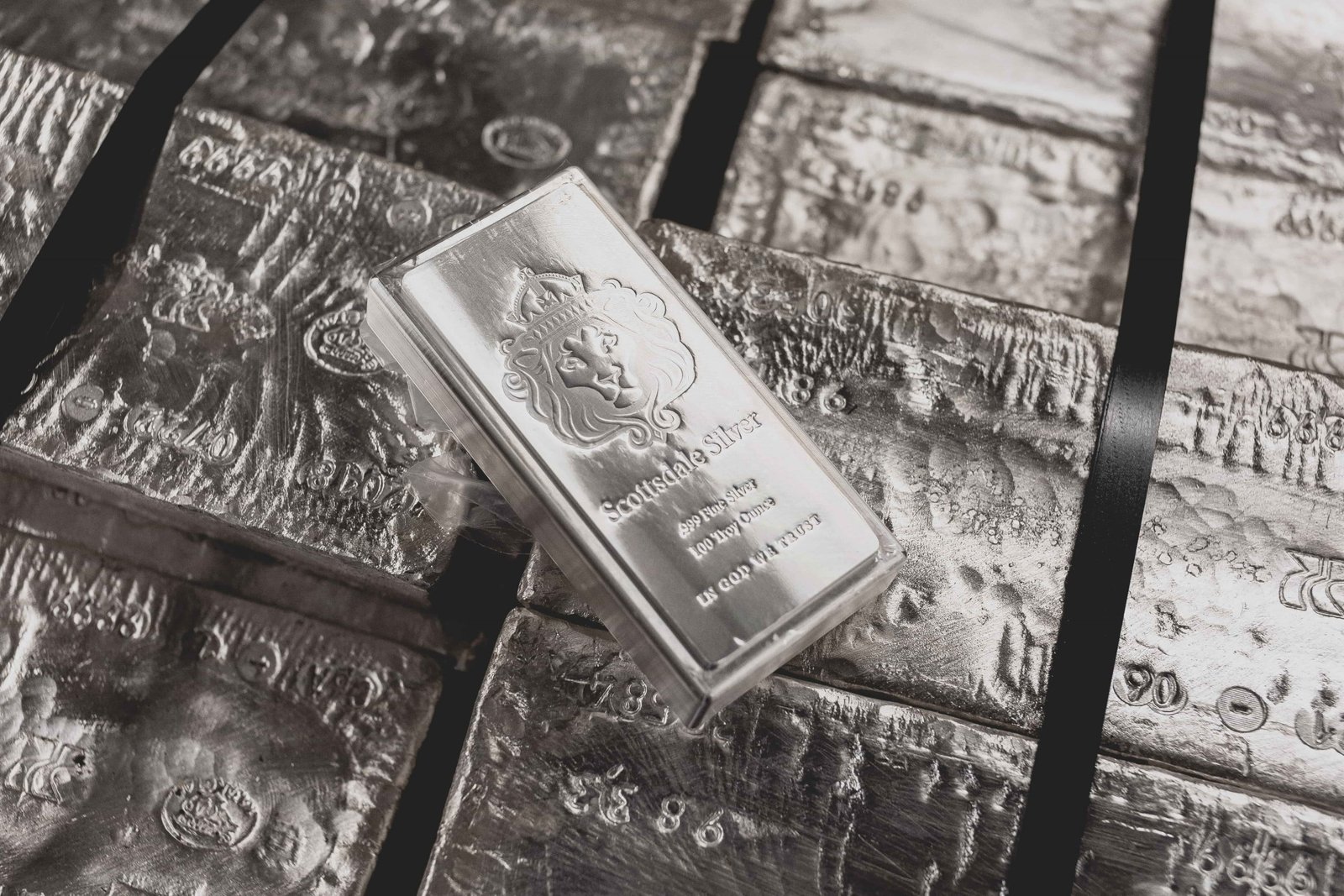
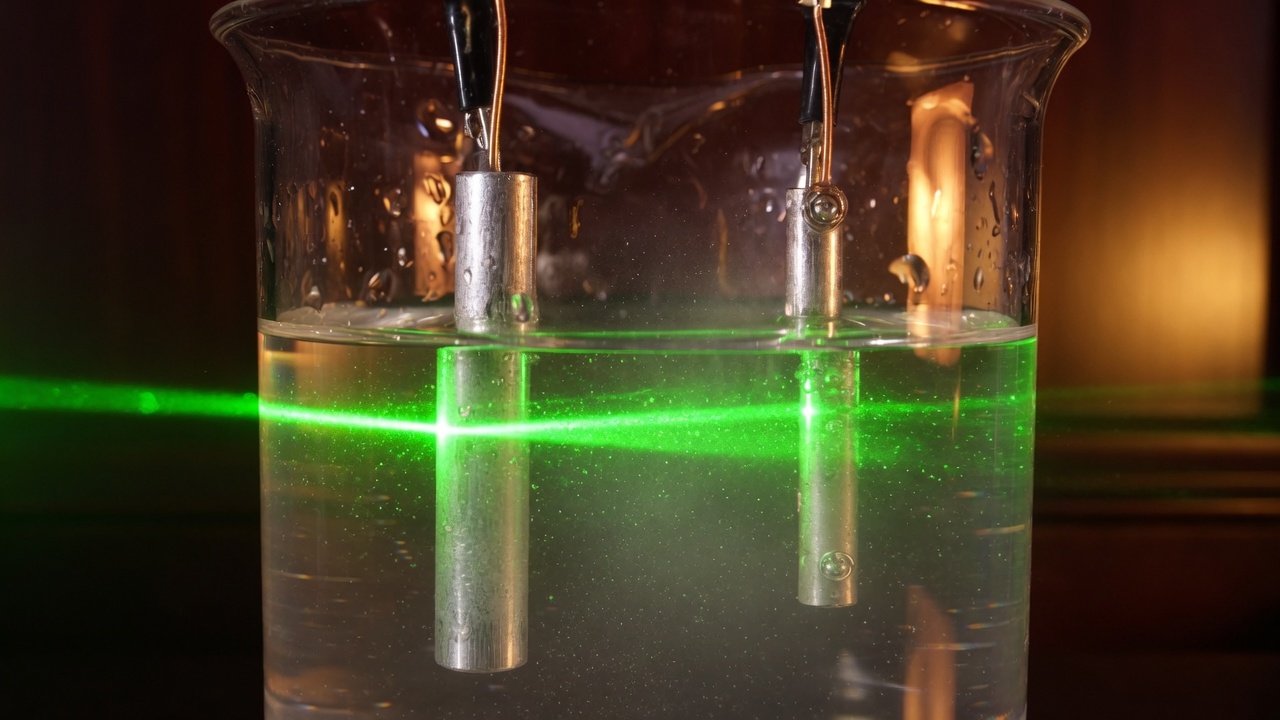
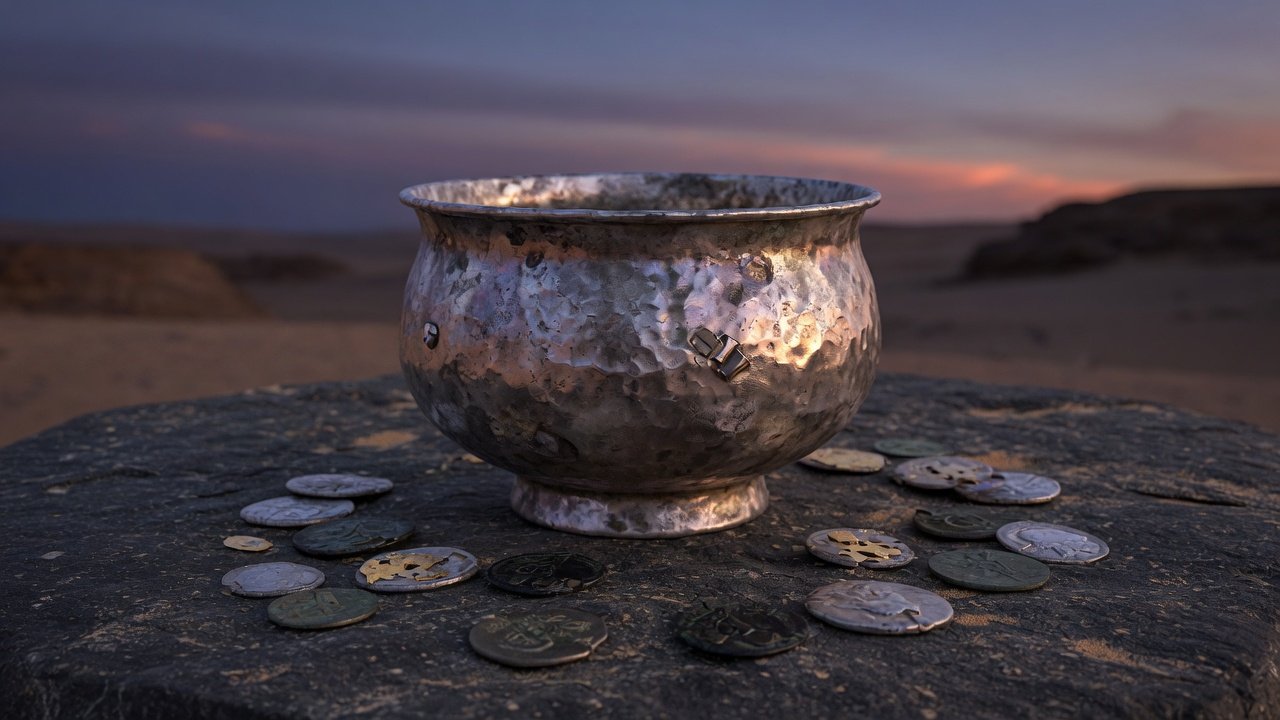
Guides put silver drinking vessels as early as four thousand years before Christ: Eastern Persian accounts of water kept in silver, the same custom in Babylon, then Greece and Rome. Cups, bowls, urns — status objects and tools, because there was no fridge. Genesis already names the metal. Men were cupelling silver from lead by 3000 BC. The first mines were in Anatolia, today’s Turkey, then Crete and Greece; by 1200 BC the Laurium pits fed Athens; by about 100 AD the Spanish mines fed Rome. In 550 BC Cyrus of Persia would not drink water that had not travelled in silver; it stayed sweet for years. Aristotle, Russell records, told Alexander to boil water and keep it in silver so the army would not drink disease. Alexander demanded the same vessels. Hippocrates of Kos, around 400 BC, put powdered silver on wounds and taught that silver compounds kept infection down. Egyptian writing names the metal. Chinese emperors ate with silver chopsticks. In Ayurveda the metal is Rajata: as bhasma, an ash, or as a suspension, used for more than two thousand years for the liver, for heat in the tissues, for infection, for cooling and repair when it is made as the old books say. Druids used it. Some tribal healers set silver vessels of water where lightning struck; the charged liquor was given as a sacred drink. A modern generator is only a quieter thunderstorm. Coinage of high-purity silver is as old: money and household metal at once. This is not a 1990s mailing-list invention. It is the ordinary hygiene of people who could afford a metal that does not rot.
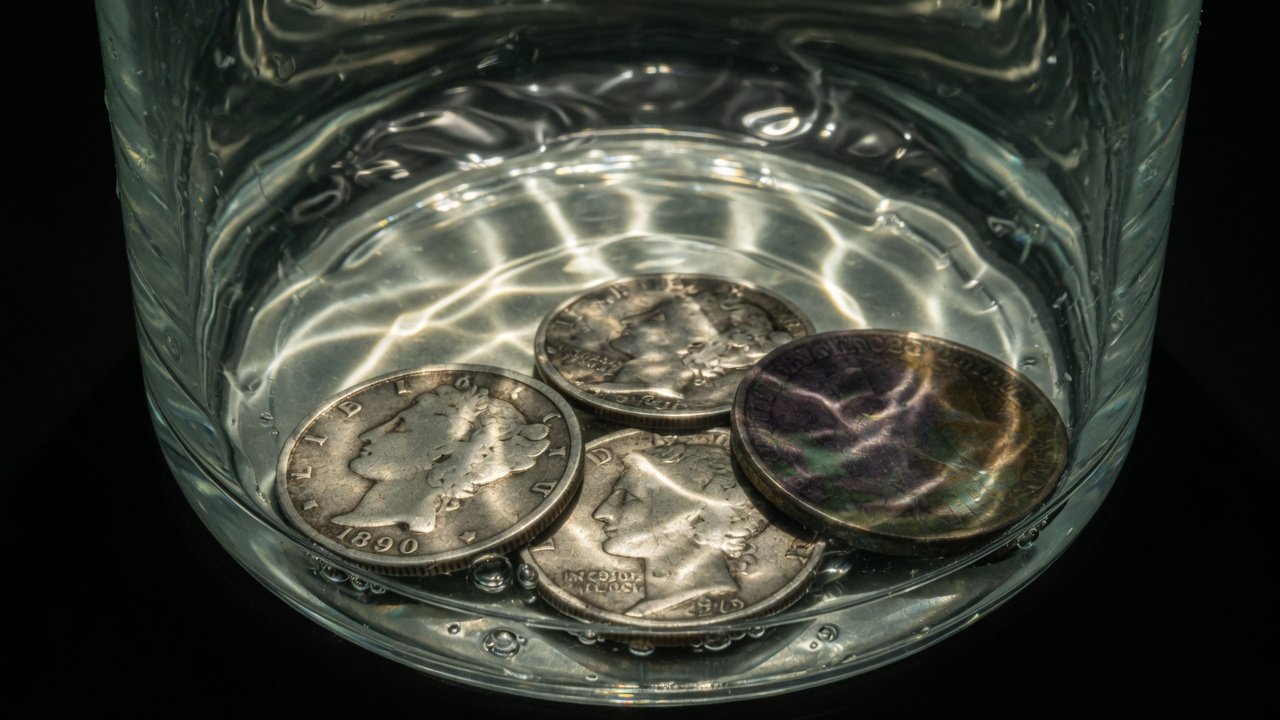
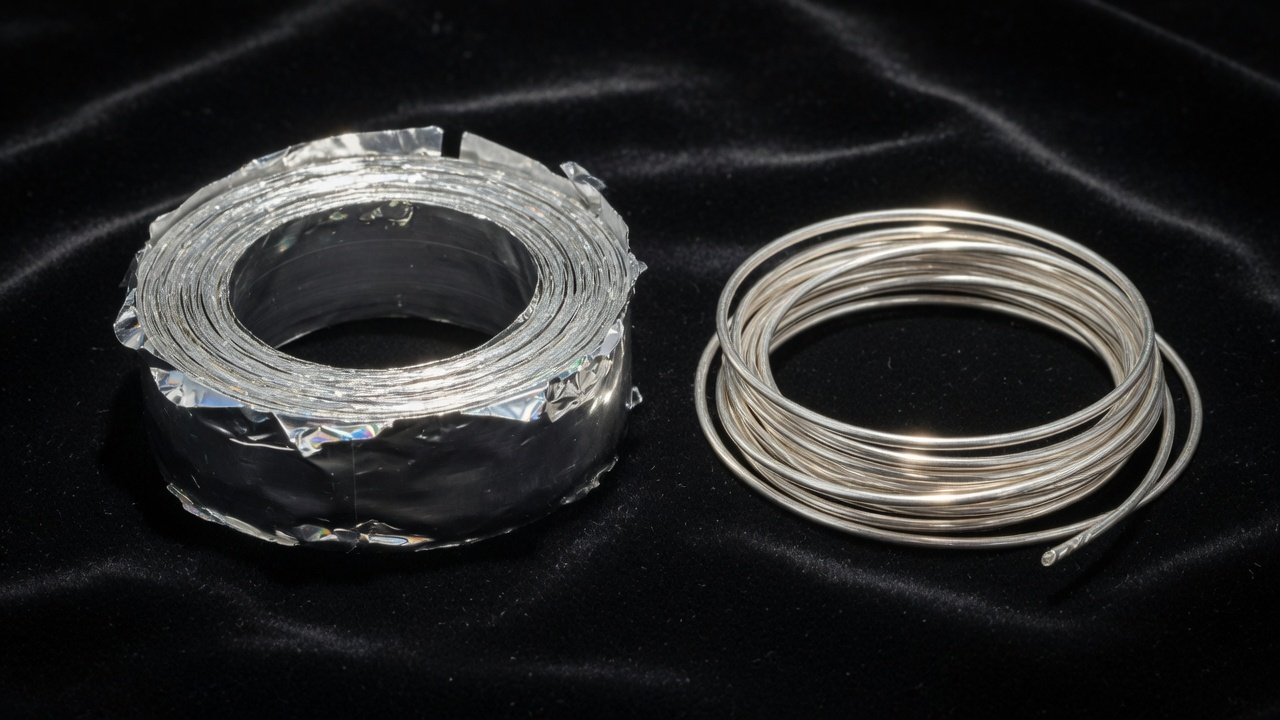
Born with a silver spoon in your mouth is not an empty saying. Court tables ran to silver cutlery, goblets and plate. Minute particles rubbed off into food and drink. Some households mixed powdered silver into water — craft, not a catalogue. Those families were later called blue bloods: a faint tint from metallic silver in the skin. People eating off iron and common crockery caught what the silver households did not. In the plague centuries the silver table was believed to have spared the rich the worst of it. Romans dropped coins into water and used silver powders for colds and for the eyes. Vikings hung strings of silver and copper below the waterline so barnacles and algae would not take the hull — shipyards still do a version of it. Pioneers dropped coins into wooden casks. Australian tanks still hang silverware in the water. In India, sweets and paan are wrapped in edible silver foil, varak: hundreds of thousands of kilograms a year. Swiss filters, airline tanks and spacecraft systems use the same principle. The method never left daily life. It only left the official story.