

No products in the cart.
Minimize Gut Fermentation for SIBO Alleviation: Introducing the Prebiotic Bacteriophage Approach
Table of Contents
SIBO: Understanding Small Intestinal Bacterial Overgrowth Naturally
Abrupt abdominal discomfort, unexpected trips to the toilet, intense bloating and digestive upset can feel exhausting, especially when you have already tried different diets, supplements and approaches without getting lasting relief.
Small intestinal bacterial overgrowth, often called SIBO, can feel like a cycle that never fully clears. But with the right focus on gut rhythm, microbiome balance, digestive support and intestinal lining repair, the body can be supported back towards a healthier state.
What Is SIBO?
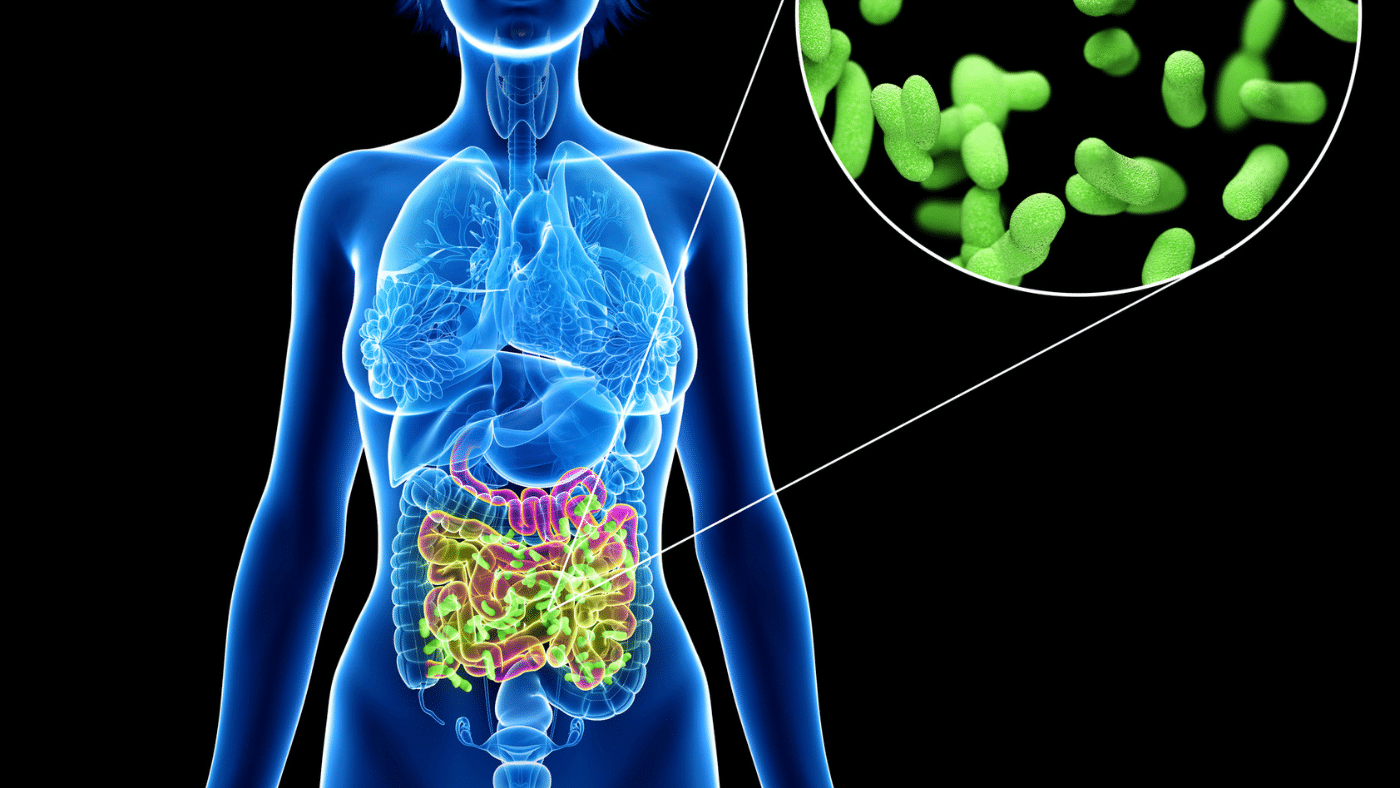
SIBO stands for small intestinal bacterial overgrowth. It occurs when bacteria build up in the small intestine, an area of the digestive system where bacterial levels are usually much lower than in the large intestine.
When the gut slows down, food can sit in the small intestine for longer than it should. This creates the perfect environment for unwanted bacteria to ferment, multiply and produce gas.
Common SIBO symptoms may include:
- Bloating after meals
- Excessive gas
- Abdominal pain or cramping
- Loose stools or diarrhoea
- Constipation
- Food sensitivities
- Feeling overly full after eating
The Main Types of SIBO
Hydrogen Dominant SIBO
Hydrogen dominant SIBO is commonly associated with faster gut movement, diarrhoea, bloating, gas and abdominal discomfort.
Methane Dominant SIBO
Methane dominant SIBO is more commonly linked with constipation, slower gut motility, cramping, bloating and trapped gas.
Hydrogen Sulfide Dominant SIBO
Hydrogen sulfide dominant SIBO is less discussed but may be linked with diarrhoea, cramping and gas.
A Natural Approach to SIBO Support
1. Start With a Low Fermentation Diet
A low fermentation diet limits the foods that feed excessive bacterial fermentation in the small intestine.
Low Fermentation Foods
- Easy-to-digest carbohydrates: Rice, sweet potatoes and quinoa may be easier on digestion.
- Cooked vegetables: Cooked vegetables are often gentler on the digestive system than raw foods.
- Healthy fats: Avocados, olives, salmon and nuts may support overall wellbeing.
Butyrate for Gut Lining Support
Butyrate is a postbiotic compound that helps nourish the cells of the gut lining and support digestive balance.
Butyrate may support:
- Gut lining integrity
- Digestive regularity
- Healthy gut cells
- A balanced microbiome environment
Support Your Gut Naturally
Explore natural gut support products from Crystal Health & Beauty.


